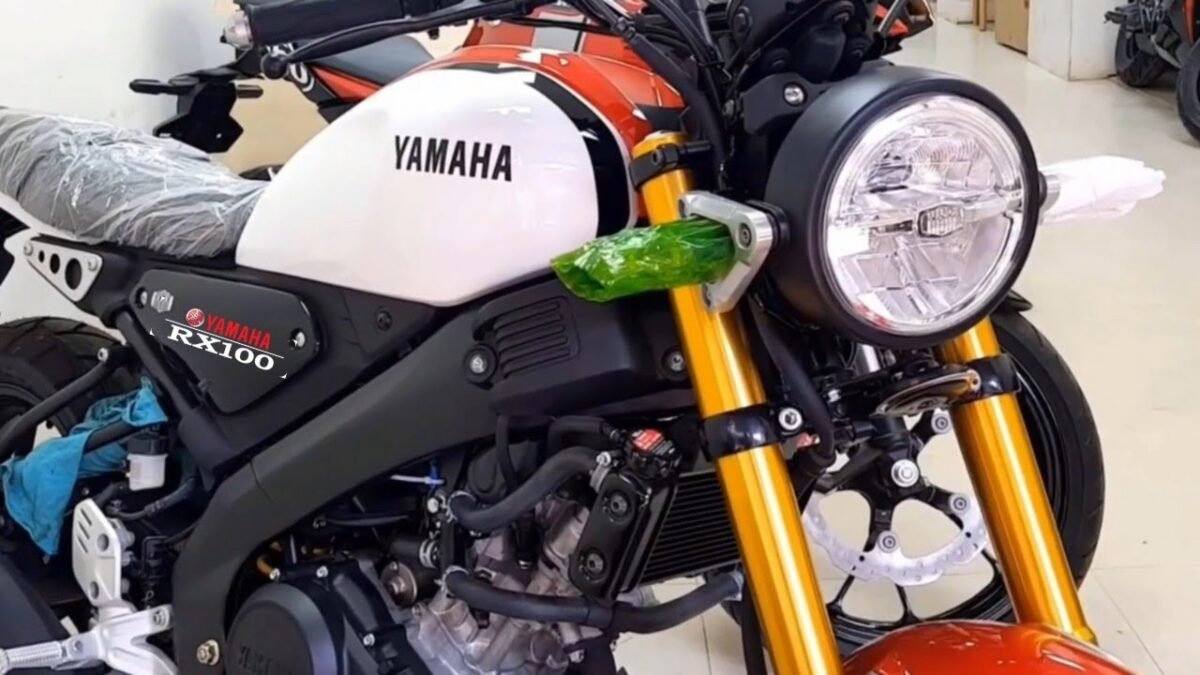
Yamaha RX 100:-When we talk about legendary motorcycles in India, the name Yamaha RX 100 instantly sparks nostalgia and admiration. Launched in the mid-1980s, this compact two-stroke machine was a true game-changer in the Indian motorcycle industry. With its simple yet aggressive design, lightweight frame, and unmatched pickup, the RX 100 became the dream bike for an entire generation. What made it truly stand out was its raw power packed into a 98cc engine that could outrun even higher capacity bikes of its time. The distinctive exhaust note still echoes in the memories of those lucky enough to ride or own one. It wasn’t just a bike—it was a statement of speed, style, and freedom.
Yamaha RX 100 Engine and Performance
One of the key reasons behind the RX 100’s iconic status is its 98cc two-stroke engine. Despite its modest displacement, the bike produced 11 horsepower at 7500 RPM, which made it one of the quickest motorcycles in its segment during the 80s and 90s.
Thanks to its light frame and quick throttle response, the RX 100 could easily go from 0 to 60 km/h in just around 7 seconds, a number that surprised many at the time.
Yamaha RX 100 Design and Styling
The RX 100 had a simple yet timeless design. It featured:
- A clean fuel tank with classic Yamaha badging
- Chrome mudguards and mirrors
- Round headlamp and analog instrument cluster
- A flat, comfortable seat and upright riding posture
Its minimalist aesthetics and rugged build gave it a personality that appealed to both young and mature riders.
Yamaha RX 100 Mileage and Maintenance
Despite being a two-stroke bike, the RX 100 offered a decent fuel efficiency of around 35-45 km/l, depending on riding habits and maintenance. Spare parts were affordable, and thanks to its simple engineering, local mechanics could easily service the bike, making it low-cost to maintain.
Yamaha RX 100 Key Features
| Feature | Details |
|---|---|
| Engine Type | 98cc, air-cooled, 2-stroke, single-cylinder |
| Power Output | 11 PS @ 7500 RPM |
| Torque | 10.39 Nm @ 6500 RPM |
| Transmission | 4-speed manual gearbox |
| Top Speed | Around 100 km/h |
| Acceleration | 0–60 km/h in approximately 7 seconds |
| Fuel Tank Capacity | 10.5 litres |
| Mileage | Approx. 35–45 km/l (depending on riding conditions) |
| Kerb Weight | Around 103 kg |
| Brakes | Drum brakes (front and rear) |
| Suspension | Telescopic front fork, twin rear shock absorbers |
| Design Highlights | Classic round headlamp, chrome fenders, flat seat, analog speedometer |
| Exhaust Note | Distinctive two-stroke roar that became a signature sound |
| Build Quality | Rugged and lightweight — ideal for city and off-road use |
| Ease of Maintenance | Simple engine design, widely available parts, easy to repair |
Why the RX 100 Was Discontinued
By the mid-1990s, stricter emission norms and the growing popularity of four-stroke engines led to the RX 100 being phased out in 1996. Yamaha attempted to carry the legacy forward with models like the RXG and RX135, but none could match the original’s charm.
Yamaha MT-15 2025: New Look, Better Performance and Bold Design

Yamaha RX 100 History
Launched in India in 1985, the Yamaha RX 100 quickly gained a cult following. It was a time when two-stroke engines were still dominant, and Yamaha’s offering stood out with its exceptional power-to-weight ratio and reliability. Manufactured by Escort Group in collaboration with Yamaha, the RX 100 was based on the RX series sold globally, with modifications tailored for Indian roads and fuel conditions.
Yamaha RX 100Today’s Indian Market
Despite being discontinued decades ago, the RX 100 remains hugely popular among collectors and enthusiasts. Many are willing to pay premium prices for well-maintained models, and customization trends have further revived interest in this two-stroke beast. It’s not uncommon to see modified RX 100s with
- Expansion chamber exhausts
- Custom paint jobs
- LED lighting and digital meters
- Cafe racer or scrambler styling
Yamaha RX 100 Relaunch Rumors
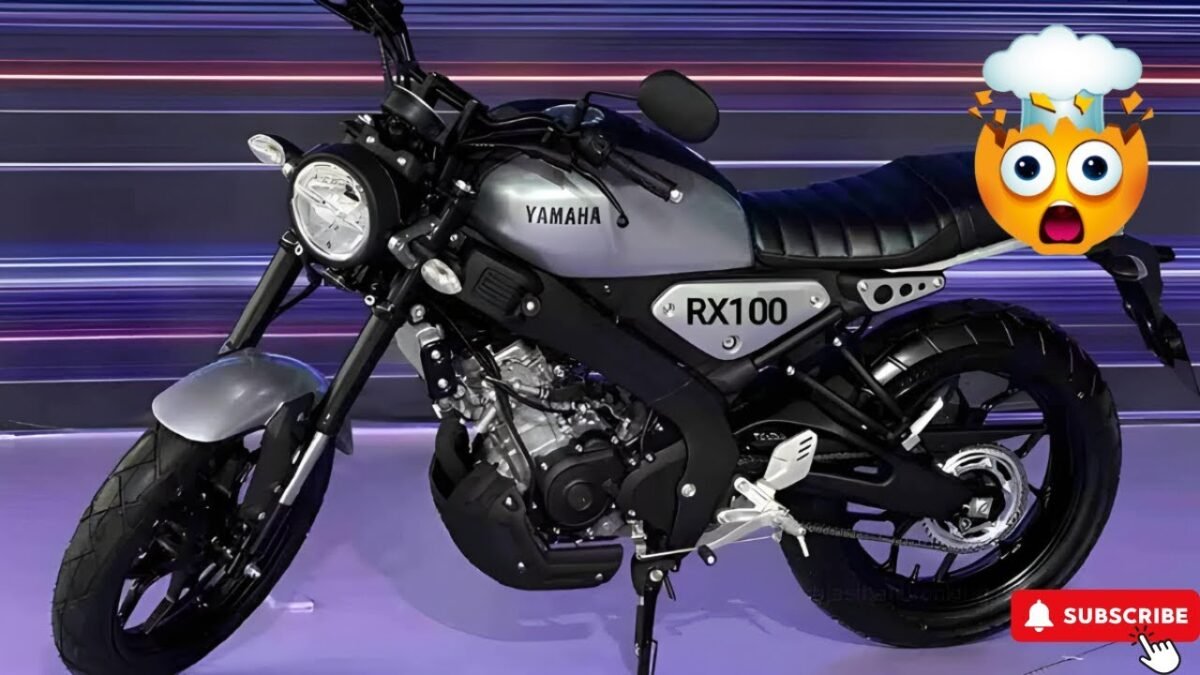
In recent years, rumors about Yamaha relaunching the RX 100 have created buzz among fans. However, due to BS6 emission norms and modern safety standards, a two-stroke comeback in its original form is unlikely. That said, Yamaha has hinted at a modern RX 100-inspired model, which could revive the spirit of the original while being compliant with today’s regulations.
Final Words
The Yamaha RX 100 isn’t just a motorcycle; it’s an emotion for millions. Even today, its roar, acceleration, and raw character are unmatched in the commuter segment. Whether you owned one or still dream of riding one, the RX 100’s legacy lives on — on the streets, in garages, and in the hearts of true biking enthusiasts.